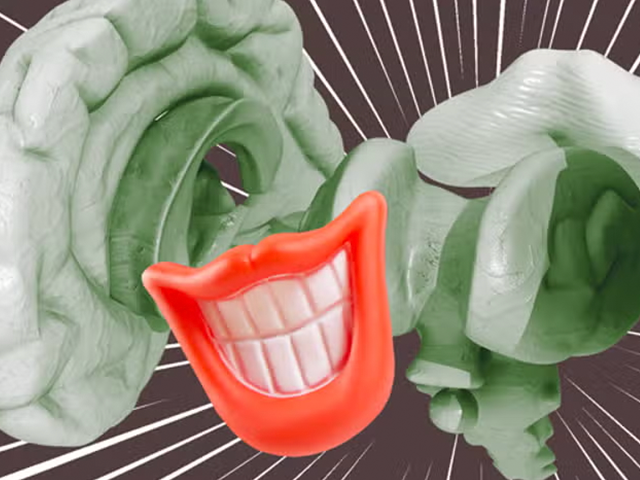
We’re often bombarded with advice on living a happy life, which is typically chock-full of unhelpful truisms derived from low-quality studies. But what even is happiness, and how can we achieve it? To investigate, we begin by cracking open the brain to try and locate where happiness emerges—except, as we learned at Nautilus, this is a futile endeavor. Instead of trying to pinpoint the emotion in our minds, we can ask a better question: “How does the brain support happiness?” poses neuroscientist Chris Chambers. We also take lessons on joy from people long misunderstood by the medical community: Individuals who experience hallucinations. While we all struggle to find human connection and meaning, people experiencing psychosis “might get that need met more easily.” One such patient called Harry once remarked, for example, that he was “the happiest man in the world.”
— Molly Glick |

|
Nautilus Editor Selections
|
|
The most widely cited happiness studies have relied on poor research methods |
|
|
We can't just hunt for blobs of activity |
|
|
Harry’s psychotic delusions bring him cheer—his psychiatrist embraces them |
|
|
Don’t limit your curiosity.
Enjoy unlimited ad-free Nautilus stories every month |
|
|
Don’t overpay for gutter guards. HomeBuddy connects you directly to local pros offering trusted systems without inflated prices. Installs in a day or less. Backed by a no-clog guarantee and chosen by over 410,000 homeowners nationwide. See what fair pricing looks like in your ZIP code. |
*Our sponsors help us deliver a free newsletter. |
|
|

|
Nautilus in Conversation
|
|
In your book, Time Smart, you write, “Nothing less than our health and our happiness depends on reversing the nearly innate notion that time is money. It’s not. Money is time.” What do you mean by that?
Behavioral scientist Ashley Whillans: We’re indoctrinated with this idea that money and productivity are the path to greater happiness and success. My data speaks to the fact that this is not necessarily the best way by which to measure the satisfaction, productivity, and meaningfulness of your life. If anything, focusing on money is a path to unhappiness as opposed to satisfaction. My colleagues and I find consistent evidence that people who feel time-affluent, and in control of their schedules, report greater happiness, less stress, better health. They’re less likely to get divorced. They’re more likely to choose jobs that are satisfying. Time is not money, but happiness.
Read “How to Stop Feeling Crushed for Time" on Nautilus→ |
|
|
 |
*Our sponsors help us deliver a free newsletter. |
“Because the brain grades on a curve, endlessly comparing the present with what came just before, the secret to happiness may be unhappiness … the period of near-despair that catapults us into the astonishing experience of triumph.” |
Neuroscientist Indira M. Raman on the mental benefits of sorrow, in “Unhappiness Is a Palate-Cleanser” Read on Nautilus→ |
|
|

|
Today’s unlocked free story
|
|
|
PSYCHOLOGY
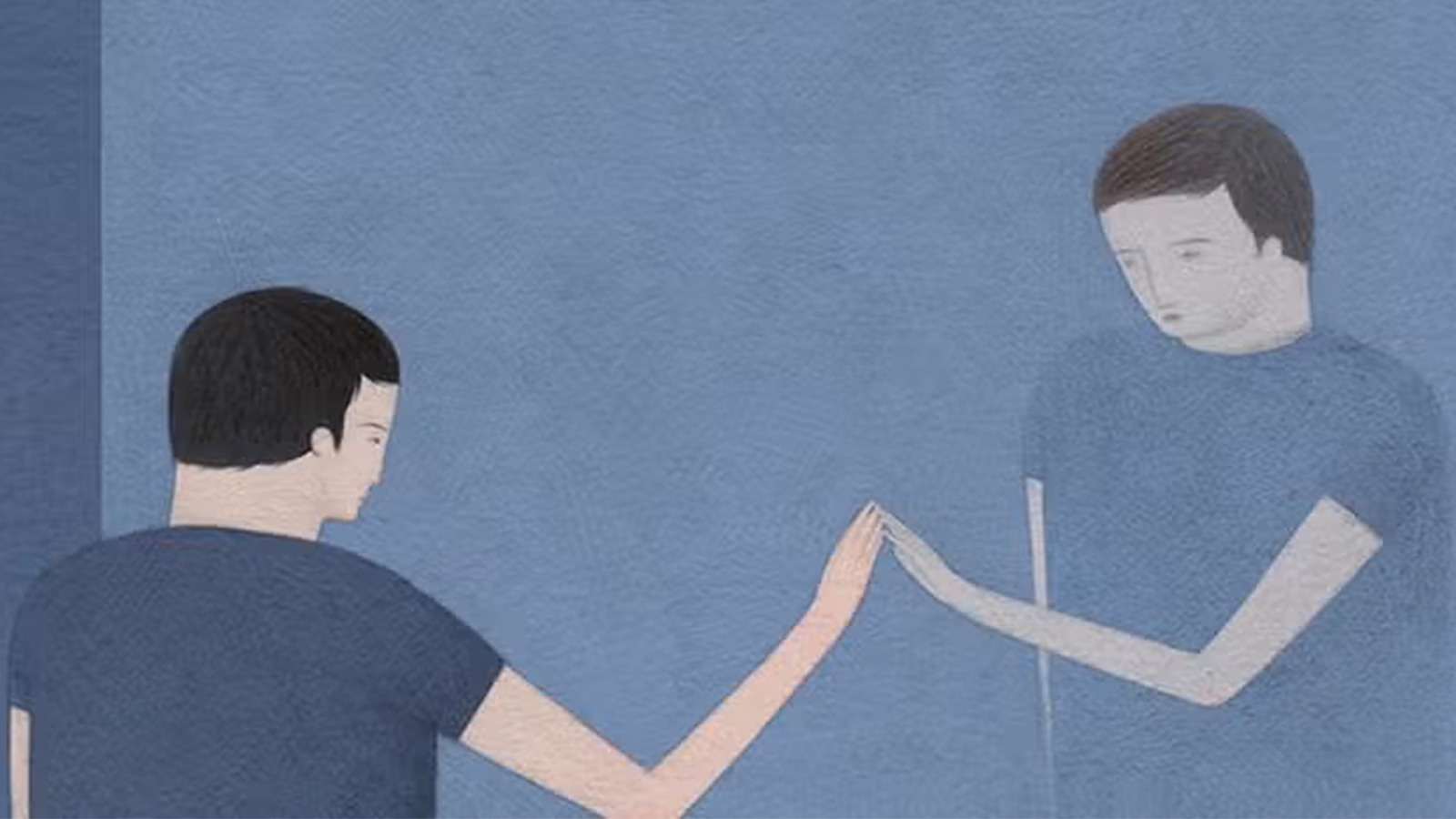
What Technology Can’t Change About Happiness
As pills and gadgets proliferate, what matters is still social connection
BY ADAM PIORE
In 2014, researchers at the University of Warwick in England announced they had found a strong association between a gene mutation identified with happiness and well-being.
|
|
Thanks for reading!
What did you think of today's note? |
|
|
Copyright © 2025 NautilusNext, All rights reserved.
You were subscribed to the newsletter from nautil.us.
Our mailing address is: 3112 Windsor Rd, Ste A-391, Austin, TX, 78703
Don't want to hear from us anymore? |
|
|
|
|
|
|