Thank you for being a Monthly Supporter! Here’s what your generosity enabled. |
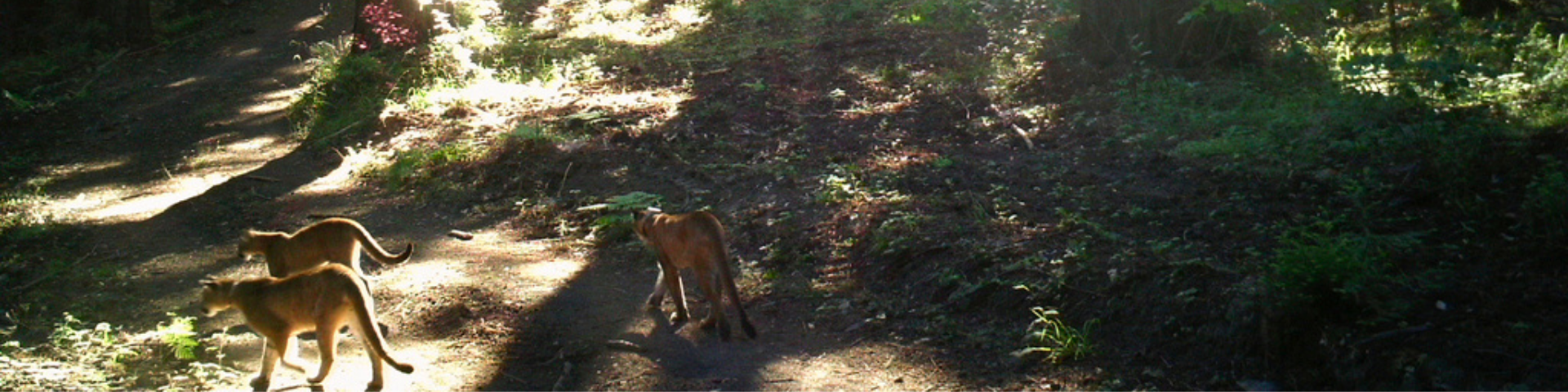
QUESTION OF THE MONTH: Which of the following best describes the concept of a species’ “range”?
A) The total number of individuals of a species in the world
B) The variety of colors a species can be found in
C) The geographic area where a species can be found
D) The speed at which a species can travel
(Scroll to the end for the answer!) |
|
|
Community science works — and it’s more important than ever.
We’ve heard so many stories about how iNaturalist is transforming biodiversity science, but a new paper documents a tenfold increase in research papers using community-collected iNaturalist data over just five years. Read about it in the New York Times! |
Four key ways that iNaturalist observations power science:
➡ Mapping where nature is (and how it's changing)
➡ Studying behavior and biology
➡ Understanding climate change's impacts on nature
➡ Finding and describing new-to-science species |
|
|
Read on for even more new discoveries and stories from the iNaturalist community! |
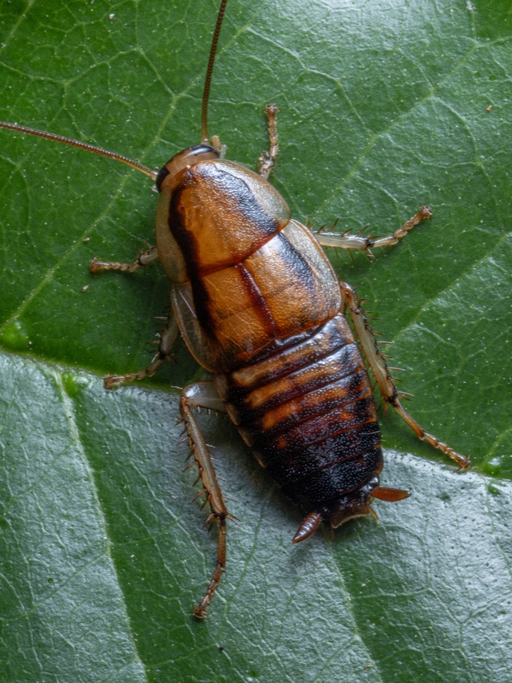
Photographing cockroach faces is no easy task |
"iNaturalist has been an amazing tool for connecting with other people who like photographing forest cockroaches at night," says study author Mary Morgan-Richards. "My iNaturalist friends were happy to take photos of cockroach faces so I could identify the specimens and determine the distribution of the new species. It's not easy to photograph the face of a live forest cockroach so they had to be inventive." |
|
|
Some of the other new species described in part thanks to iNaturalist from the last month include: a new wasp-mimicking flower fly ( Monoceromyia ndidiae) from the Dominican Republic, two new sea slugs ( Phyllidia ovata and Phyllidia fontjei) from Indonesia, a new bellflower ( Cyphocarpus perennis) from Chile, a new lily from Ecuador ( Bomarea globosa), and a new springtail ( Entomobrya petri) from the UK. |
Invertebrates on the move |
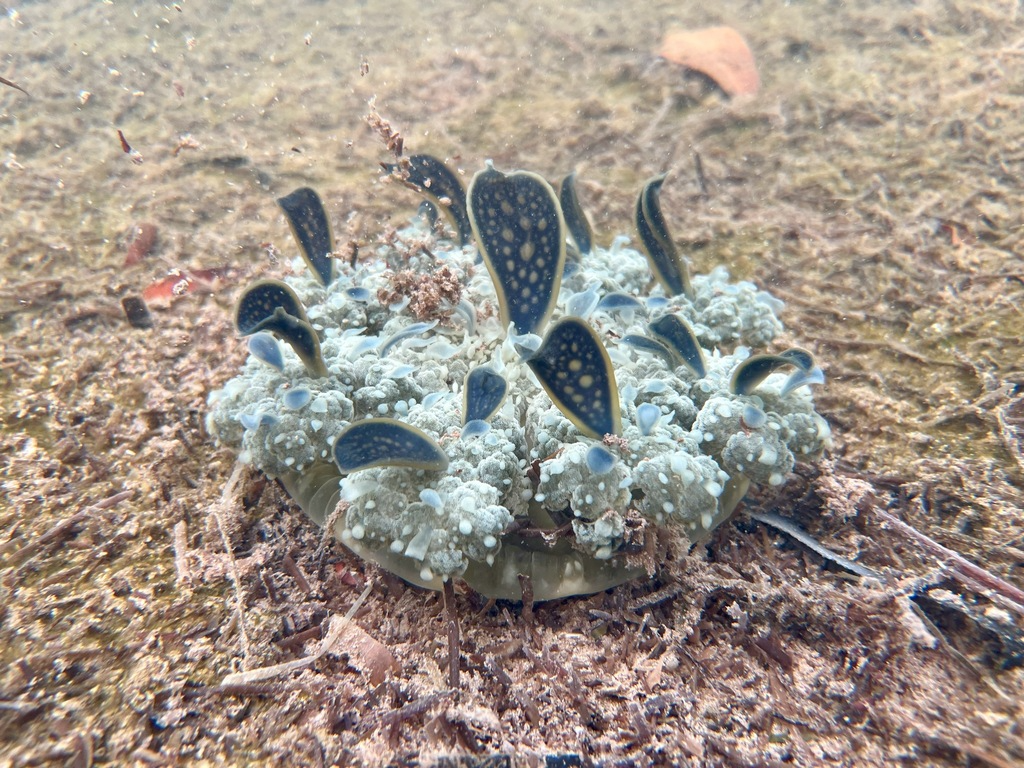
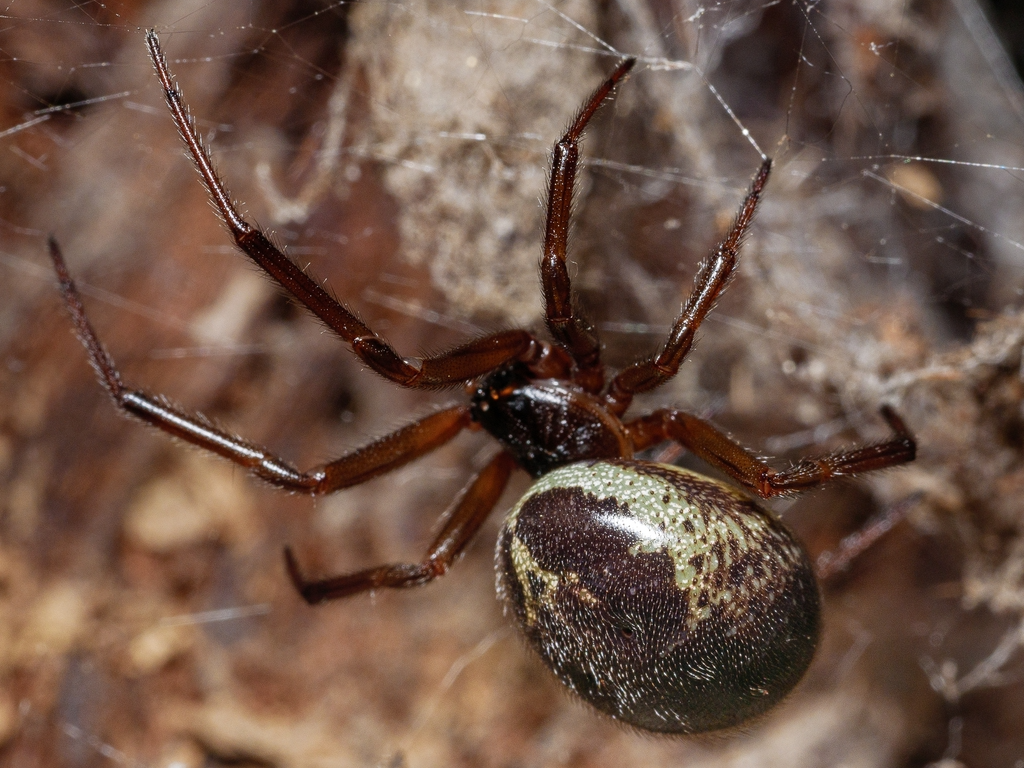
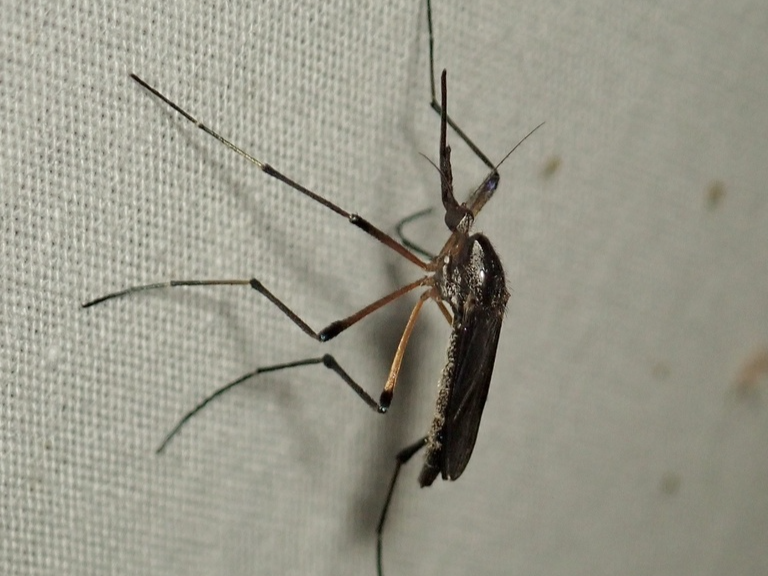
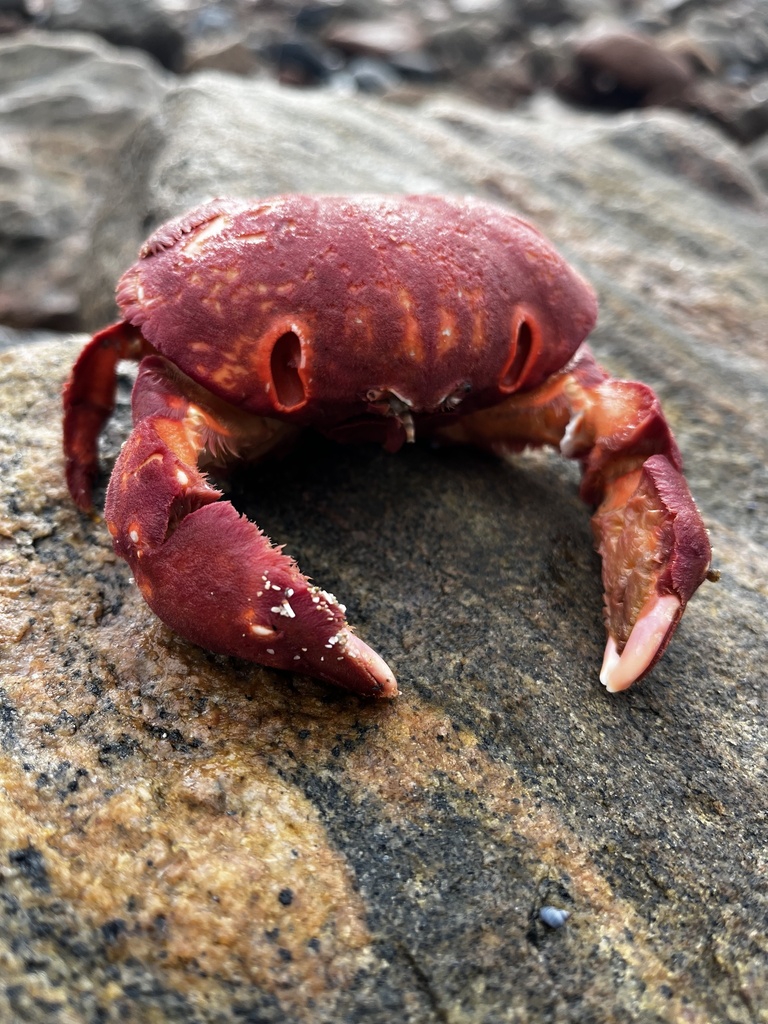
When species move into new places, they can impact the structure of local ecosystems — but the first step in understanding that is to figure out what’s moving where. |
Keeping track of a toxic algae bloom |
From project admin Brad Martin:
“I'm incredibly thankful to the citizen scientists and collaborators that continue to support this project through uploads, identifications and raising awareness about the project. By documenting the impacts of this marine environmental disaster, this project is helping to inform an evidence-based response to this and future HABs.” |
|
|
iNaturalist tip: turning off select notifications ✔️ |
If you're an active observer and/or identifier on iNat, you probably get a lot of notifications, and if you want, you can turn off select notifications — learn how. |
|
Catch the iNaturalist team on PBS! 🌿 |
How can tech be used for good? What tech does climate action need right now? How can we build a better future together? The latest episode of Climate California explores these questions ... and it features iNaturalist! |
|
Field guide from iNaturalist observations 🐟 |
|
|
☀️ August is Make A Will Month |
QUESTION OF THE MONTH: Which of the following best describes the concept of a species’ “range”?
C) The geographic area where a species can naturally be found is what scientists typically refer to as a species’ “range.”
|
|
|
Thank you for everything that you do to support iNaturalist! |
iNaturalist is an independent, tax-exempt, 501(c)(3), nonprofit organization based in the United States of America (EIN/Tax ID: 92-1296468).
|
iNaturalist Team PO Box 150357, San Rafael, CA 94915 Unsubscribe |
|
|
|