News and insights on WTO Technical Assistance programmes |
- The TA Newsletter Returns in a Streamlined Format
- Approval of the Biennial TA Plan 2026-2027
|
- E-Learning Spotlight: Live Sessions and Revamped Courses
|
- Coming Up: Key Activities on the Horizon
|
- Weekly Round-Up: Top News and Highlights
|
Resumption of the weekly TA Newsletter |
Dear readers,
We are pleased to share that the Technical Assistance Newsletter is resuming after a long summer break.
As the WTO Secretariat continues to refine its training programmes and communication tools, the newsletter is returning in a streamlined and less frequent format. Our aim is to keep it focused, relevant, and easy for readers to follow.
Information on WTO TA activities remains available in real time through the Technical Assistance Management System (TAMS), and updates can also be found on the WTO website.
We look forward to staying connected and continuing to share key developments and stories from across the TA community.
|
Biennial TA Plan 2026-27 Endorsed Amid stringent Funding Constraints |
WTO Members have adopted the Technical Assistance and Training Plan for 2026-2027, reaffirming that TA remains a core function of the WTO and essential for helping developing Members and least-developed countries (LDCs) to fully benefit from the multilateral trading system.
The TA Plan, prepared by the WTO Secretariat, draws on the results of the 2025 survey of TA beneficiaries' needs and priorities – to which 87 respondents contributed – and on regular consultations with Members and donors. It incorporates lessons from the past cycle of technical assistance and feedback on the types of support most needed to strengthen institutional trade capacity. More information can be found here.
This approval comes at a time of heightened financial pressure, marked by declining voluntary contributions, constraints on the regular TA budget and reduced staffing levels. These factors risk affecting the Secretariat’s capacity to sustain the current scope and quality of TA delivery. In response to an anticipated reduction of around 50% in TA resources and 30% in technical assistance staffing compared to 2024–25, the Plan introduces a more flexible and resource-efficient approach to safeguard delivery and maintain results under tighter conditions.
The Plan places greater emphasis on virtual learning models and "blended" learning – combining both in-person and virtual methods – to maximise outreach and value for money, while maintaining targeted, practical and results-oriented support. To reinforce the impact of the technical assistance, it also scales up action-oriented and multi-phase training models, including activities with action plans, coaching and follow-up over time to support implementation at the national level.
The 2026-27 TA Plan underscores the importance of value-adding partnerships and ensures TA remains fully inclusive, with particular attention paid to the needs of the most vulnerable beneficiaries, especially LDCs. Delivery remains guided by the Results-Based Management approach, supported by a robust monitoring and evaluation framework to track performance and enable timely adjustments.
Technical assistance will be organised around the same four Key Results that underpin the WTO’s capacity-building efforts, namely:
- Government officials implement WTO agreements and make full use of members' rights
- Governments negotiating WTO membership participate in accession negotiations
- Students and academic institutions supported by the WTO gain a better understanding of trade policy and WTO subjects; and
- Members of parliament, journalists and civil society learn more about WTO activities.
The WTO TA and training activities will continue to include the following — with the first two categories increasingly delivered through blended virtual and in-person formats:
|
Live Session on: Non-tariff measures and market access
📅 18 November 2025 |
On 18 November from 11am to 12pm (Geneva time), users can follow a live session on "Non-tariff measures and market access: an overview of WTO rules".
The discussion will focus on the impact of non-tariff measures on market access and on WTO rules regarding the use of import authorizations, quotas, prohibitions and other restrictions to imports.
Live sessions are for government officials who are the beneficiaries of the WTO training and technical assistance programme and who have been endorsed by their authorities. |
Updated version of the Introduction to Documents Online course is now available for government officials |
The WTO e-Learning programme offers a range of training courses through a comprehensive online platform, covering WTO agreements and various aspects of international trade.
Enrol for free in the WTO e-Learning programme and gain access to an ever-expanding catalogue of training courses designed to help you navigate the dynamic world of global trade. |
📍New Delhi, India | 📅 17-19 November 2025
Workshop on Sanitary and Phytosanitary Measures |
This three-day workshop will strengthen participants’ understanding of the WTO Agreement on the Application of Sanitary and Phytosanitary (SPS) Measures. The programme will address the key provisions of the SPS Agreement, including transparency requirements, the role and functioning of the SPS Committee, and current SPS issues such as digitalization and new technologies.
Sessions will feature practical group exercises and interactive discussions, including on systems approaches, regionalization, and the use of tools such as the ePing SPS&TBT Platform and other WTO e-tools. Participants will also examine real-world case studies illustrating how SPS principles operate in trade contexts.
|
📍Abuja and Lagos, Nigeria | 📅 18-20 November 2025
Post-Trade Policy Review Follow-up Workshop |
Building on Nigeria’s Sixth Trade Policy Review (TPR), held earlier this year, the WTO Secretariat and the Government of Nigeria will jointly organize a three-day follow-up workshop in Abuja and Lagos. The event will bring together senior officials, development partners, academics, and private sector representatives to take forward the findings and recommendations of the review.
Through interactive discussions and focused sessions, participants will explore practical steps to address trade-related challenges and advance reform priorities. Topics will include improving the business environment, import procedures, and standards and technical regulations, as well as deepening integration into the African Continental Free Trade Area (AfCFTA).
|
💻Virtual | 📅 17-25 November 2025
Course on Trade Policy for the Member Countries of the Latin American Integration Association (ALADI) |
The course will provide government officials from ALADI member countries with an in-depth look at the multilateral trading system and its relationship with regional integration in Latin America.
Through a mix of expert presentations, regional insights, and practical exercises, participants will examine subjects such as market access, trade facilitation, agriculture, intellectual property, sanitary and phytosanitary measures, and the link between trade, environment, and sustainable development.
Designed to be both practical and forward-looking, the programme aims to equip participants with the knowledge and analytical tools needed to engage more effectively in trade negotiations and to strengthen the implementation of trade policies within their national and regional contexts. |
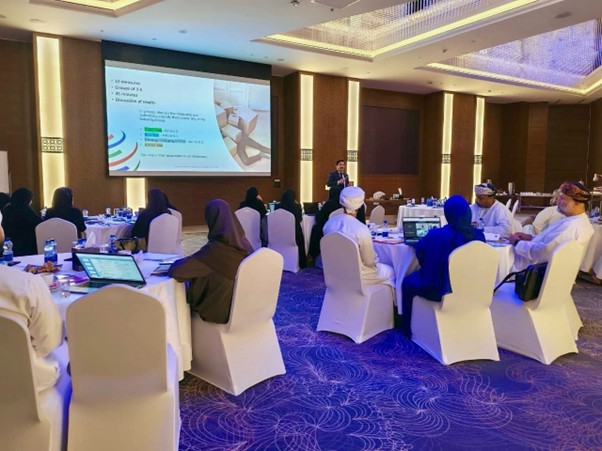
Capacity Building on WTO Agriculture Notifications held in Oman |
📅 21-22 October 2025 |
|
A two-day workshop on the WTO Agreement on Agriculture (AoA) took place in Muscat, bringing together officials from across Omani ministries and agencies involved in agricultural policy and trade. The activity aimed to strengthen national capacity to comply with transparency obligations and to engage more effectively in the work of the Committee on Agriculture (CoA).
Discussions highlighted the importance of timely and accurate notifications in promoting transparency and trust among WTO Members. Participants examined how data is collected and reported, how institutions contribute to the notification process, and how stronger coordination can improve the quality of submissions.
Building on experiences from similar activities in other Members, the workshop showcased good practices for inter-institutional cooperation and the use of WTO online tools, such as the Agriculture Information Management System (AG-IMS). Participants expressed strong interest in continuing collaboration with the WTO Secretariat to further develop national expertise in this area. |
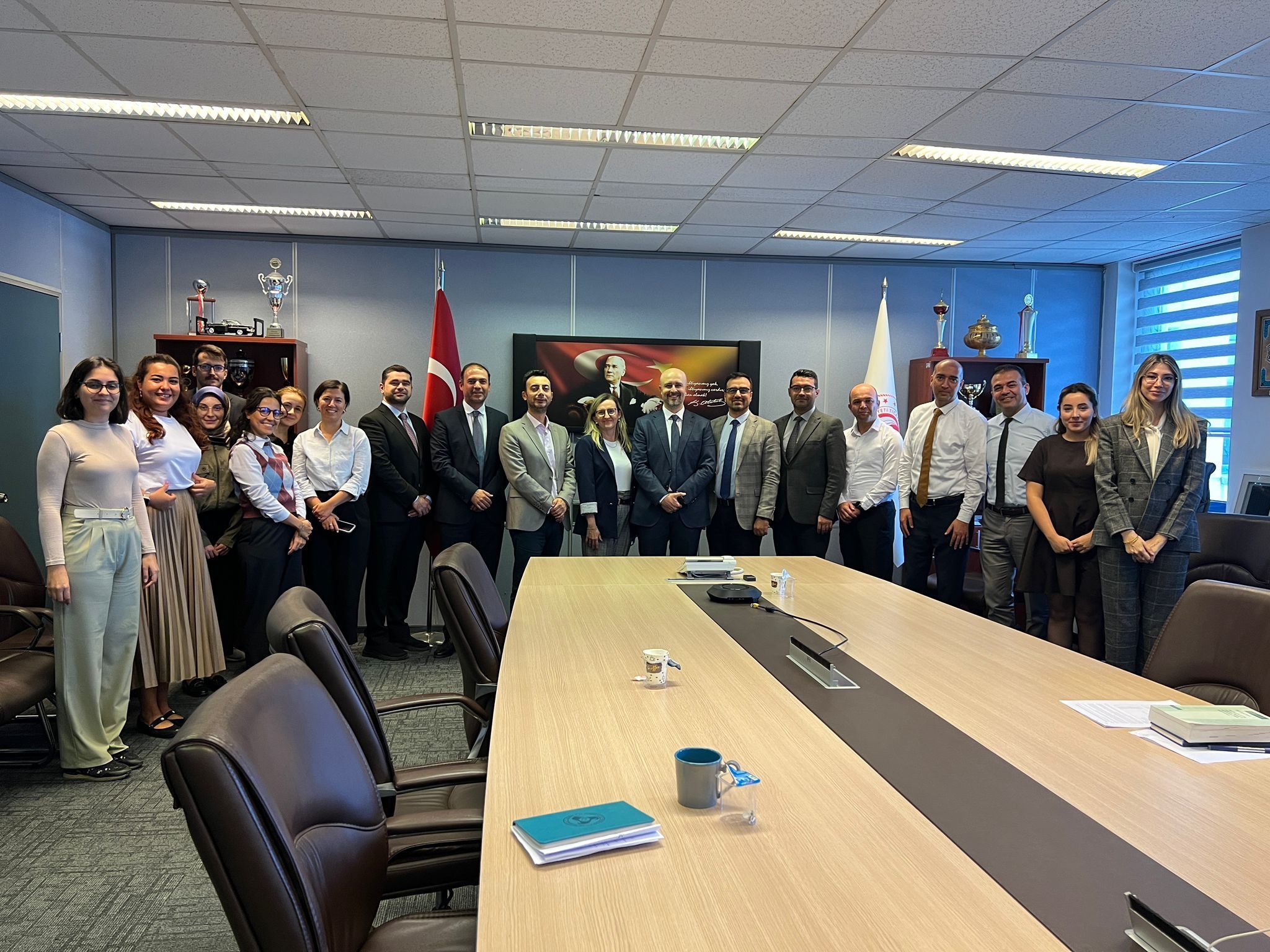
Advanced WTO Trade Remedies Workshop strengthens technical expertise in Türkiye | 📅 1-3 October 2025 |
|
A three-day national workshop on trade remedies took place in Ankara, bringing together 27 experts from the Directorate General of Imports of the Ministry of Trade. Participants represented the Departments of Dumping and Subsidies Investigations, Safeguards, and Circumvention.
The training covered the full range of WTO trade remedy instruments — anti-dumping, subsidies and countervailing measures, and safeguards — focusing on the legal, procedural, and analytical aspects of each. Particular attention was devoted to subsidy and countervailing duty investigations, an area of growing importance for Türkiye.
Through case-based exercises and simulations, participants applied theoretical knowledge to real-life scenarios and shared experiences from ongoing investigations. The workshop also examined the relationship between WTO subsidy disciplines, the Agreement on Fisheries Subsidies, and the Agreement on Agriculture, providing a broader view of how WTO rules interact in addressing trade distortions. |
Virtual Training Supports Guatemala on Market Access issues |
📅 13-15 October 2025 |
A virtual workshop on market access for goods was held for government officials from Guatemala. The activity aimed to strengthen participants’ understanding of the WTO rules and procedures governing trade in goods.
The programme consisted of three technical sessions delivered by WTO experts, covering key topics such as applied and bound tariffs, schedules of concessions, and tariff nomenclature and reduction schedules. Subsequent sessions examined quantitative restrictions and import licensing procedures, including transparency obligations and notification requirements under WTO rules.
Practical exercises and demonstrations helped participants learn how to access and use WTO databases and analytical tools to assess market access commitments and trade measures. The training provided participants with hands-on experience in applying WTO rules and tools to support transparent, evidence-based trade policymaking. |
WTO TECHNICAL ASSISTANCE
Coordinated and managed by ITTC |
A core function of the WTO, technical assistance and capacity-building activities seek to enhance professional and institutional trade capacities in developing and least-developed WTO member and observer governments. They provide beneficiaries with enhanced know-how to take full advantage of the opportunities from the rules-based multilateral trading system and address potential challenges. Within the WTO Secretariat, the Institute for Training and Technical Cooperation (ITTC) oversees these activities. |
Want to change how you receive news from WTO Technical Assistance? |
|
|
|
|