Greetings, Nautilus readers! On the menu today: a blood pressure treatment that may clear brain plaque, radiation-eating mold, and cannabis-induced "scromiting."
Plus, the science picks for the day:
|
P.S. If you'd like to support the storytelling here at Nautilus, consider becoming a member. |
On the "semidomestication" of cats |
Pet cats retained many of their wild cat ancestors’ characteristics. This—perhaps not surprising many cat caretakers—makes pet cats technically “semidomesticated.” But scientists have squabbled over precisely where and when such changes came about.
The feline timeline is especially tricky to pinpoint due to scarce archeological findings, along with the fact that the bones of wild cats and domesticated ones look quite similar.
So far, researchers have encountered tantalizing clues, including depictions of cats as beloved, jewelry-wearing family members in Egypt around 3,500 years ago.
But feline domestication might have happened even earlier, according to findings of cat bones from nearly 10,000 years ago in Cyprus. These revelations have suggested that cat domestication first cropped up in the Levant region.
By the way:
|
*Scientific claims made in ads haven’t been researched, verified, or endorsed by Nautilus.
|
|
|
> Macaque monkeys are surprisingly deft at keeping the beat to the Backstreet Boys. (See it on Nautilus)
> The brush-tailed bettong looks like a tiny kangaroo—and is coming back from the threshold of extinction. (Read on CNN) |
> These 12 risk factors—including two new ones—are found in 49 percent of all global dementia cases. (Read on Huffington Post)
> Researchers in Japan are revisiting the amino acid arginine, which is prescribed to treat high blood pressure, for its ability to suppress the buildup of brain plaque associated with Alzheimer's. (Read on Futurism)
> Research on what happens to kids' brains when they have a meltdown could point to better treatments for sensory overload. (Read on Nautilus) |
> Paleontologists can now use fossils of dinosaur eggshells as a uranium lead clock, making some tricky fossil sites easier to date. (Read on Brighter Side of News)
> A new combination of techniques has allowed researchers to "prove" that early humans dug huge pits near Stonehenge. (Read on The Guardian) |
🧐 Compared to Earth during the time of the dinosaurs, how likely is current Earth to suffer an asteroid strike? |
A) A tenth as likely
B) A fifth as likely
C) Three times as likely
|
*Scientific claims made in ads haven’t been researched, verified, or endorsed by Nautilus. |
⭐️ What Else We're Reading |
A telescope in Chile captured this "cosmic butterfly," a bipolar nebula more than 2,500 light-years away. |
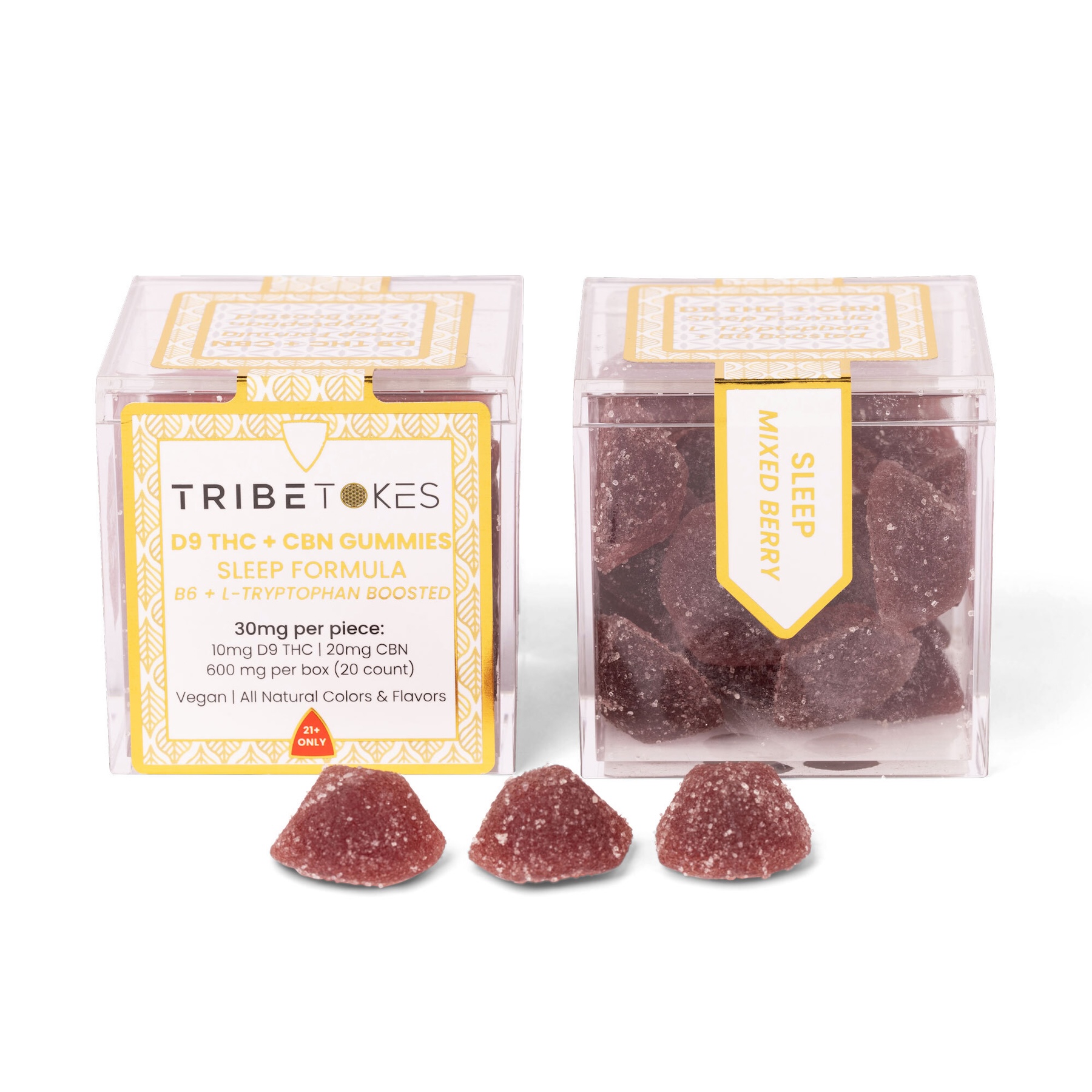
Products for Every Cannabis Lover In Your Life This Holiday Season |
This holiday season, we’ve done the hard work of stereotyping everyone you know (you’re welcome) and pairing them with products they’ll actually use. |
|
|
Thanks for reading!
What did you think of today's note? |
|
|
Copyright © 2025 NautilusNext, All rights reserved.
You were subscribed to the newsletter from nautil.us.
Our mailing address is: 3112 Windsor Rd, Ste A-391, Austin, TX, 78703
Don't want to receive this newsletter anymore? |
|
|
|
|
|
|