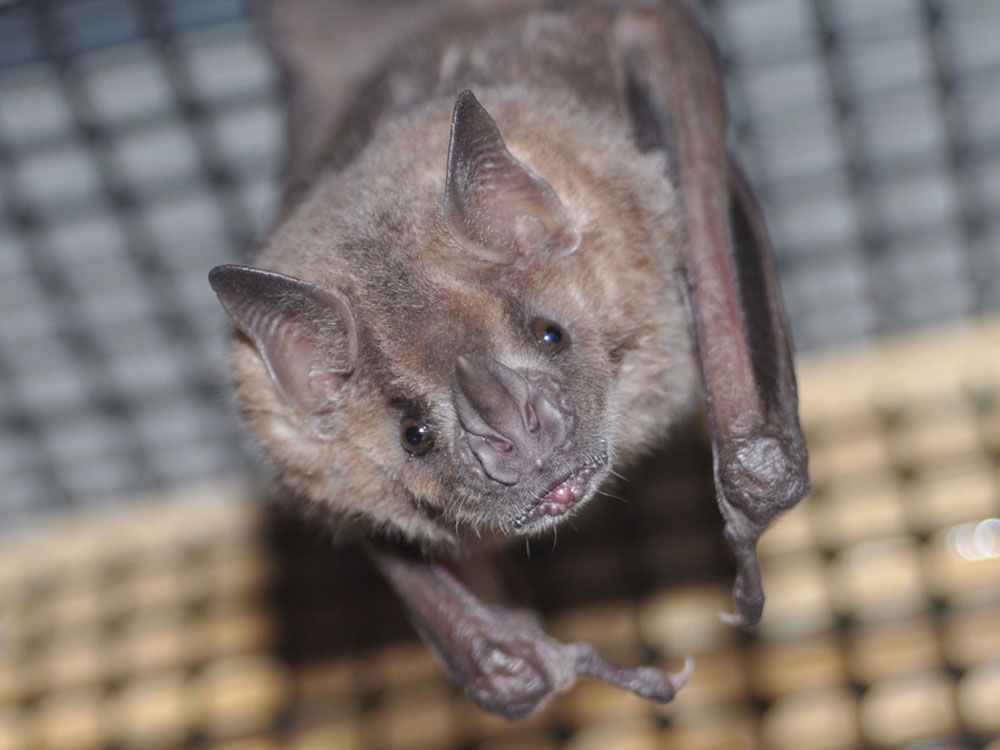
Home to a colony of more than 90 Jamaican fruit bats, the Nocturnal Wing has undergone habitat enhancements and facility upgrades designed to support animal wellbeing while enhancing the visitor experience. The improvements to the habitat reflect the Zoo's ongoing commitment to wildlife conservation, animal care and public education.
“We're excited to reopen the Nocturnal Wing and welcome visitors back to this unique space,” said Gary Dewar, Director, Edmonton Valley Zoo. “The improvements support the wellbeing of our bats while creating new opportunities for visitors to learn about these important animals and the role they play in healthy ecosystems. We hope the experience encourages people to learn more about bats and the conservation challenges they face.”
The improved habitat includes a new themed rock wall to support natural perching behaviours, environmental enrichment features and specialized red lighting that improves visibility for visitors while minimizing impacts on bat behaviour and health. The public viewing area has also been updated with new paint, interpretive signage and enhanced viewing windows to create a more immersive and accessible experience for guests.
The project was made possible through the support of the Valley Zoo Development Society.
A few bat facts
- Native to Central America, the Caribbean, parts of Mexico and northern South America, Jamaican Fruit Bats are important pollinators and seed dispersers that help maintain healthy ecosystems. The species can travel up to eight kilometres each night while foraging and uses echolocation, sight and smell to navigate and locate food.
- The Edmonton Valley Zoo's Jamaican fruit bat colony arrived from the Vancouver Aquarium in 2009.
- Through conservation partnerships, research support and public education, the Edmonton Valley Zoo helps raise awareness about the importance of protecting bat populations and the ecosystems they support.
- Although the bats in the zoo's care are not native to Alberta, they serve as ambassador animals for the province's nine bat species, all of which face conservation challenges, including the impacts of White-Nose Syndrome.
Bats play a vital role in maintaining biodiversity. By helping visitors build a connection with these often misunderstood animals, the Edmonton Valley Zoo aims to inspire action to protect wildlife and the natural environments they depend on.