Email not displaying correctly? View it in your browser. |
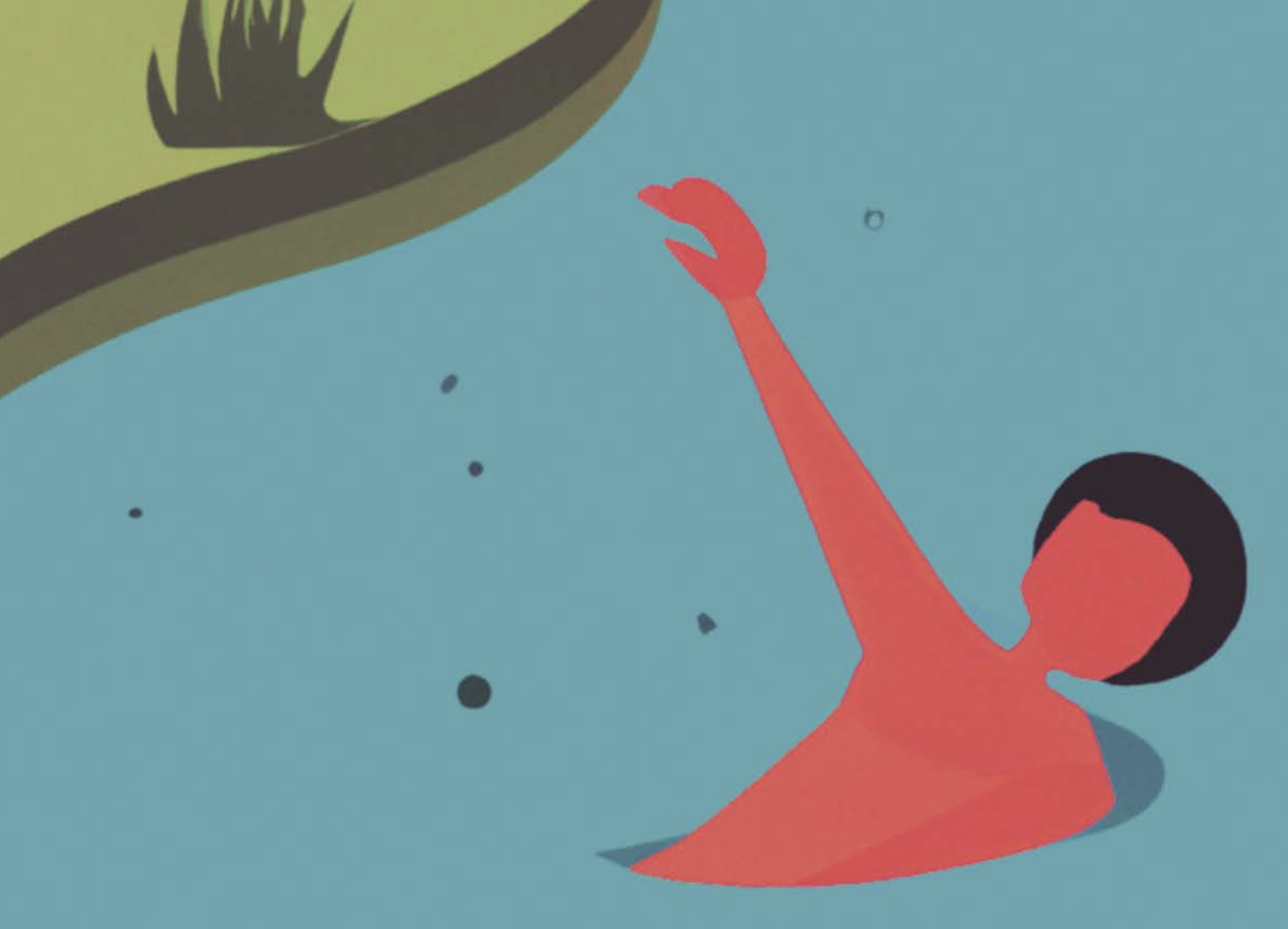
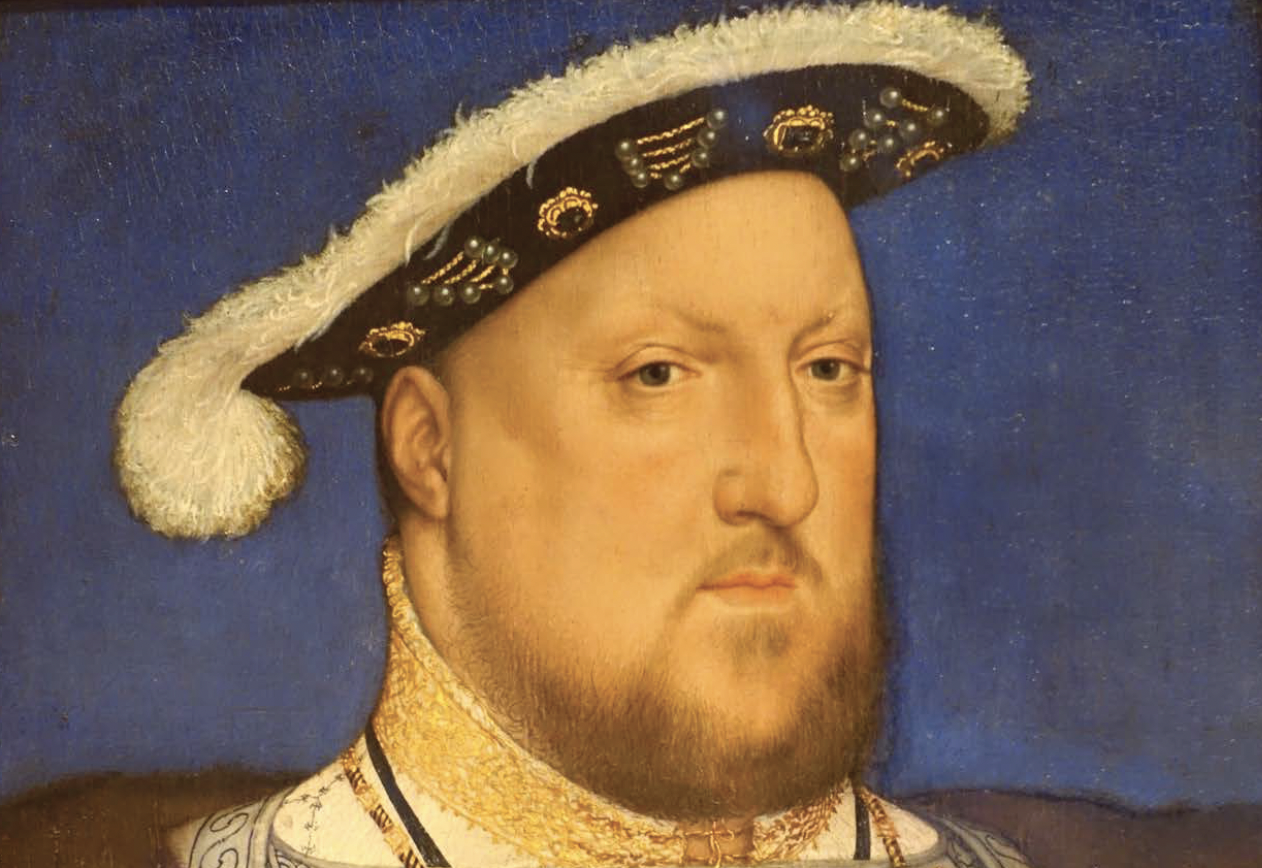
If you’re lucky enough to have several million dollars more than you need, what should you do with this money? One answer is that you should do whatever you want, at least within the bounds of legality: it’s your money, and nobody has the right to tell you how to spend it. Another is that you should try to do as much good as possible by, say, donating it to a charity that will use it to remedy a great deal of suffering. Another is that you should act in accordance with the duties you owe to your family, your neighbourhood, or your place of worship. Yet another is that you should invest it in order to make more money, enabling you to do even more good down the line. Or perhaps you should give it to an organisation seeking to mitigate an existential risk, like nuclear or biological warfare; or to an artist capable of creating an enduring masterpiece. Or you may prefer to shrug and return to option one...
|
“Without conflict, change would be impossible.”
- Philip Slater
|
From the Conflict edition |
In one of the most frequently quoted aperçus about marriage, Rainer Maria Rilke exhibited a rare wisdom for someone not yet thirty. He wrote: “A togetherness between two people is an impossibility, and where it seems, nevertheless, to exist, it is a narrowing, a reciprocal agreement which robs either one party or both of is fullest freedom and development.” One might add that togetherness is also a fragile agreement, vulnerable to backtracking and rupture: as social animals, we do not seem especially well-suited to having our freedom and development confined, much less stolen – even if its relinquishment is voluntary. They say it takes two to tango. But it takes two to fight as well: two teams, two countries, two people. And the conflict is exacerbated when there is nowhere to go. Two people locked inside a marriage are like boxers flying about the ring...
|
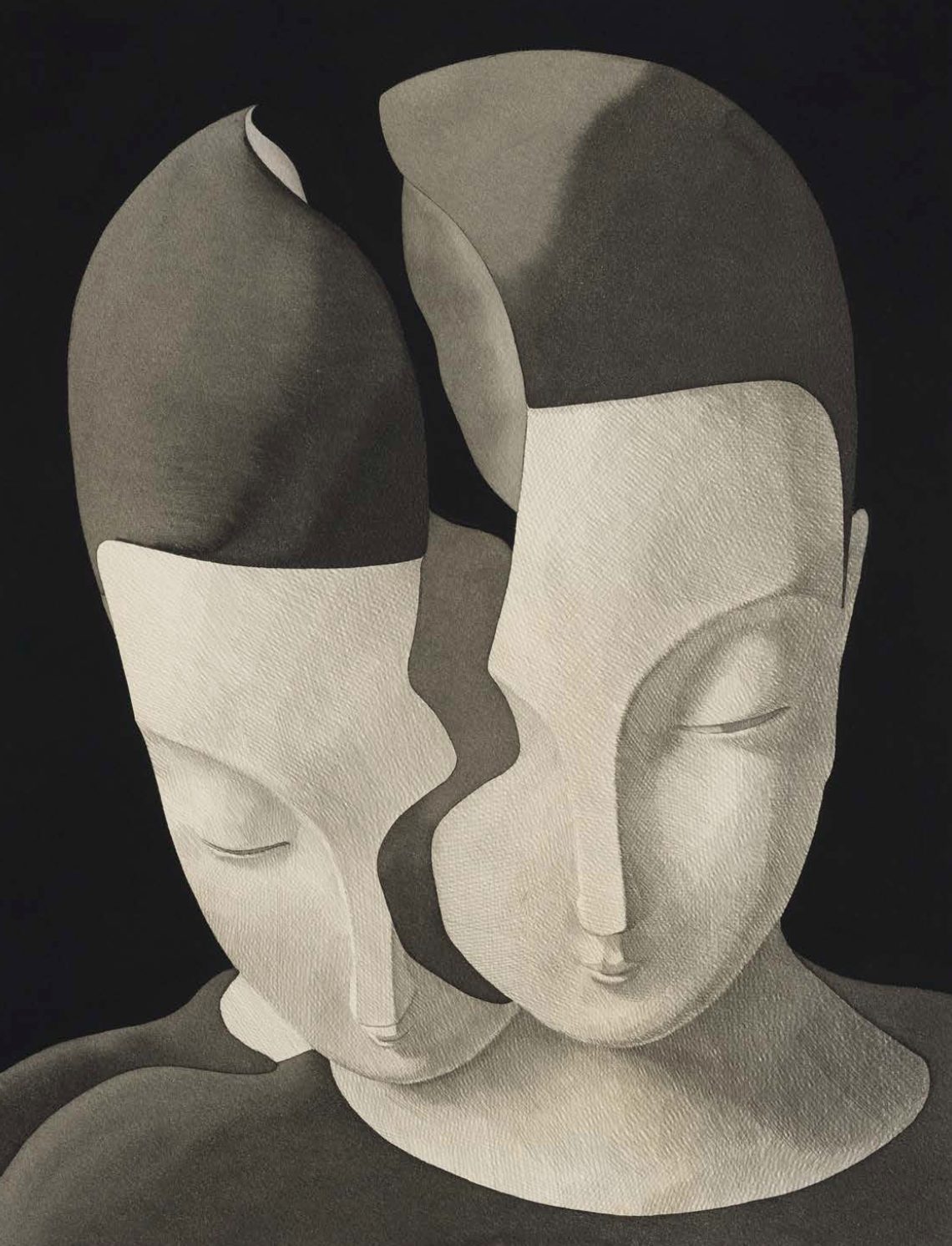 |
If there were a word to sum up the human condition for South Korean artist Daehyun Kim, it would be conflict. It’s a topic he invariably explores in his work. “It is no exaggeration to say that conflict is the subject of almost all of my paintings,” he says.
As a child, Kim wasn’t encouraged by his parents to think in any particular way; instead, he was given the freedom to ruminate and interpret the world as he wished. “My parents didn’t care so much about my studies or my future education,” he says. “I never worried about grades. Nor was I given advice to help me get through life – advice about what is good and what is bad in the world. I was not taught about what to stay away from and what to pursue. Coming into the world with no established values, I found myself asking: What is the meaning of life?” Although this upbringing would have contributed to Kim’s exceptional creative output as an adult, he says it hindered him in other ways. In particular, he struggles to make decisions in ordinary life. “Whenever I have to make a choice, I experience severe internal conflict,” he says.
Possibly due to this, Kim always prepares his images digitally before he sets down to draw by hand, giving him the freedom to change his mind. “Usually, the digitally-completed image is used as a reference,” he says. “And then I draw it again using an analogue technique.” Almost all of his works are done with ink on acrylic paper, produced from the living room in his house.
|
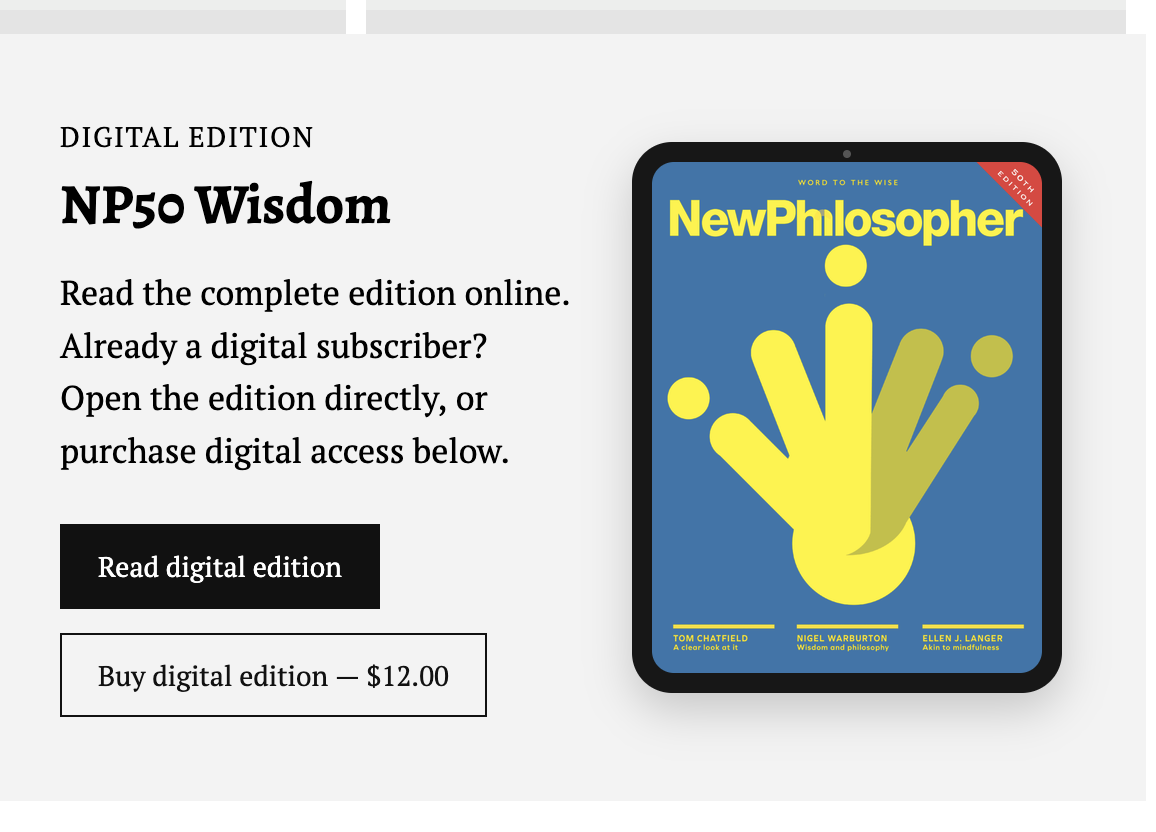
Have you previously bought digital editions or had/have a digital or digital + print subscription? If you log in to your profile, you can view your digital editions via our new subscriber section.
|
|
|
New Philosopher 130 Macquarie St, Hobart, 7000 Unsubscribe |
|
|
|