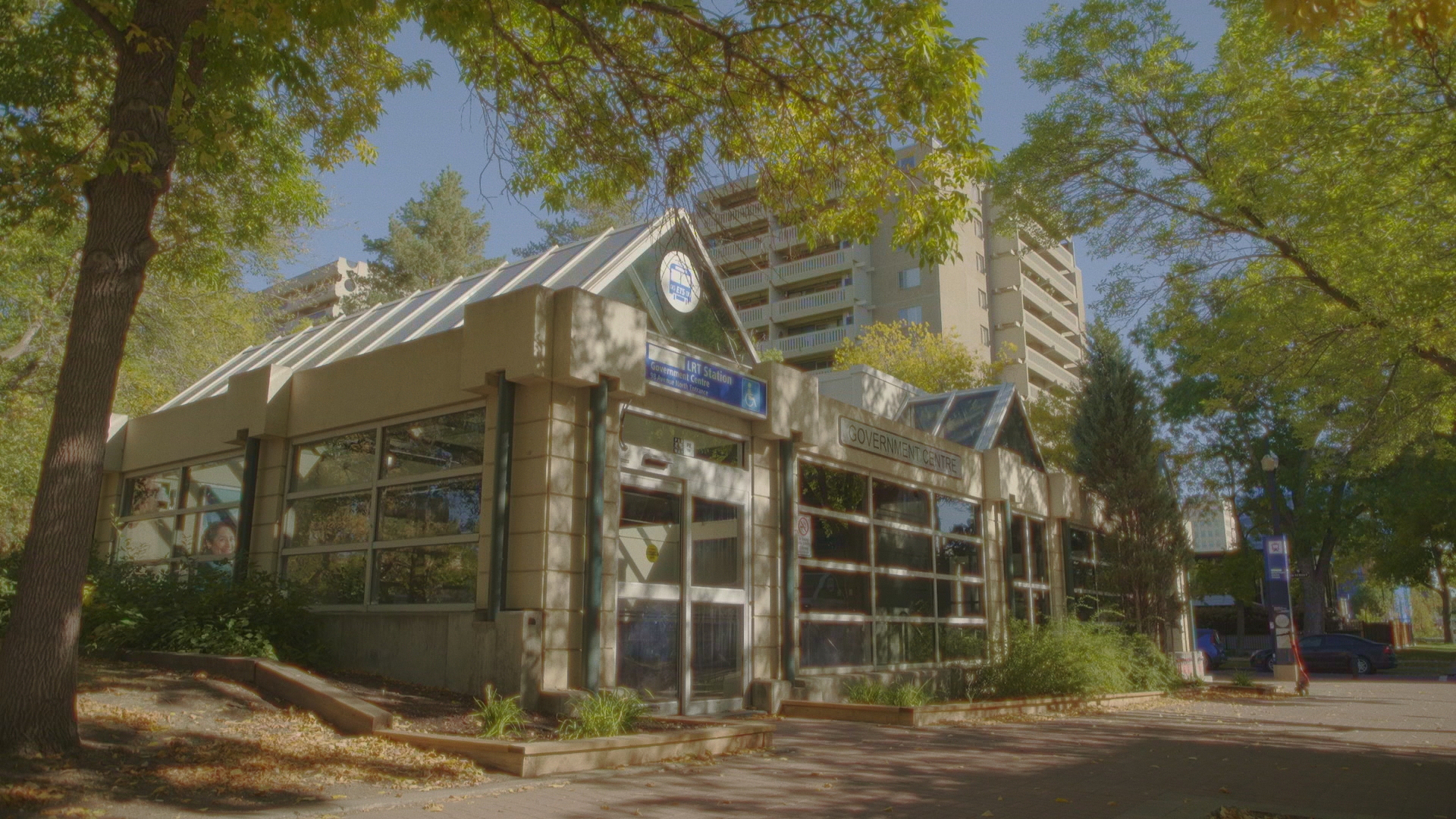
Edmonton City Council approves Buffalo Crossing as new name for Government Centre LRT station |
November 25, 2026
Edmonton City Council has approved Buffalo Crossing as the new name for the Government Centre LRT Station. The new name follows a multi-year, Indigenous-led renaming process to replace the former name as part of Edmonton’s reconciliation journey with Indigenous Peoples. |
|
|
“Knowing this renaming process was guided by the wisdom of Elders and our Indigenous community, made the decision to formally approve the name Buffalo Crossing an easy one,” said Mayor Andrew Knack. “We are grateful to everyone who contributed to this process, not only for sharing a name of such deep cultural significance, but also helping us better understand and acknowledge the difficult parts of our shared history, including the painful legacy of residential schools. Renaming this LRT station Buffalo Crossing is an important step in our journey toward healing and reconciliation.”
The name Buffalo Crossing shares the oral history of the area’s historical and spiritual significance as a traditional crossing point for buffalo on the North Saskatchewan River. The buffalo is considered sacred, representing a way of life and playing a central role in traditional Indigenous ceremonies. Rooted in teachings of resilience, kinship, strength and respect, the name links the land's history to its continued role as a crossing point for travel, gathering and opportunity.
“Buffalo Crossing to me is very significant. It is my way of acknowledging and honouring the spirit of mostos, the buffalo, who was in past generations the one and major provider of all that we needed to survive, and the resilience and strength of that buffalo is our salvation,” said Terry Lusty, Métis historian, residential school survivor, and member of the Elders Naming Circle and former Grandin Working Circle.
Renaming journey
In June 2021, following heightened public concern and the tragic discovery of unmarked graves at former residential school sites across Canada, Edmonton City Council unanimously passed a motion directing the City to temporarily rename the LRT station to Government Centre. The motion also called for the immediate removal of Bishop Vital-Justin Grandin’s name from the station and for the controversial track-level mural to be covered in orange.
The mural prominently featured Bishop Grandin and a Catholic nun holding an Indigenous child with a residential school in the background—an image now recognized as a painful glorification of colonial assimilation and child removal.
Following the temporary renaming of the LRT station and covering of the mural, the City launched a multi-year, Indigenous-led engagement process with the Elders Naming Circle to select a permanent, culturally respectful name and create a new artistic vision toward truth and reconciliation. Most of the Circle's members are residential school survivors, including Indigenous language speakers and Elders from the Grandin Working Circle and the City's MOU partners (Confederacy of Treaty Six First Nations, Enoch Cree Nation and Otipemisiwak Métis Government).
The Elders Naming Circle selected the name Buffalo Crossing, which received unanimous support from the Naming Committee in August 2026, followed by formal City Council approval on November 25, 2026.
“The Naming Committee was honoured to support the new Buffalo Crossing name selected by the Elders Naming Circle,” said Sara Sierko, Chair, Naming Committee. “By supporting the renaming, we are honouring and celebrating the past and present significance of this area as a crossing point where all people can travel, gather and pursue new opportunities. The new name also marks another significant step forward in our truth and reconciliation journey, helping to create a city where every resident feels welcome and belongs.”
The City’s renaming approach aligns directly with its Truth and Reconciliation Commission Municipal Response Plan, Indigenous Framework and The City Plan. The new name reinforces the City’s ongoing commitment to preserving Indigenous languages and cultures, building on key naming milestones including municipal ward renamings (2020), Okîsikow (Angel) Way (2024) and the community-driven renaming of Wîhkwêntôwin (2024). It also reflects the City’s dedication to creating safe, welcoming spaces for Indigenous Peoples and all Edmontonians, ensuring everyone who calls Edmonton home sees themselves reflected in civic spaces.
New name implementation
The City will begin updating Edmonton Transit Service (ETS) webpages, network maps, LRT station signage, audio announcements and related materials. While the name Buffalo Crossing takes effect immediately, some updates may not be fully completed until the end of 2027.
Work is also underway on a Public Art and Interpretation Plan, led by an Indigenous Art curator in partnership with the Edmonton Arts Council and Edmonton Heritage Council. The plan will guide future artwork, interpretive displays and storytelling inside the station to create a welcoming public space that reflects the cultural teachings and significance of the new name.
”Public transit is for everyone. It’s vital that everyone feels like they belong and can navigate our service with confidence and ease,” said Carrie Hotton-MacDonald, Branch Manager, Edmonton Transit Service. “We look forward to sharing the story of this place with visitors and riders and unveiling art that celebrates the new name.”
The renaming project received $350,000 in funding in 2021 through the City’s Truth and Reconciliation Commission Service Package. This funding supported the Indigenous-guided renaming process and implementation, including engagement, project storytelling, and the forthcoming new station signage and development of the Public Art and Interpretation Plan.
|
For more information:
Media contact:
Karen Burgess
Communications Advisor
Urban Planning and Economy
780-974-9648
|
City of Edmonton Edmonton Tower, 10111 104 Avenue, Edmonton, T5J 0J4 Unsubscribe |
|
|
|